
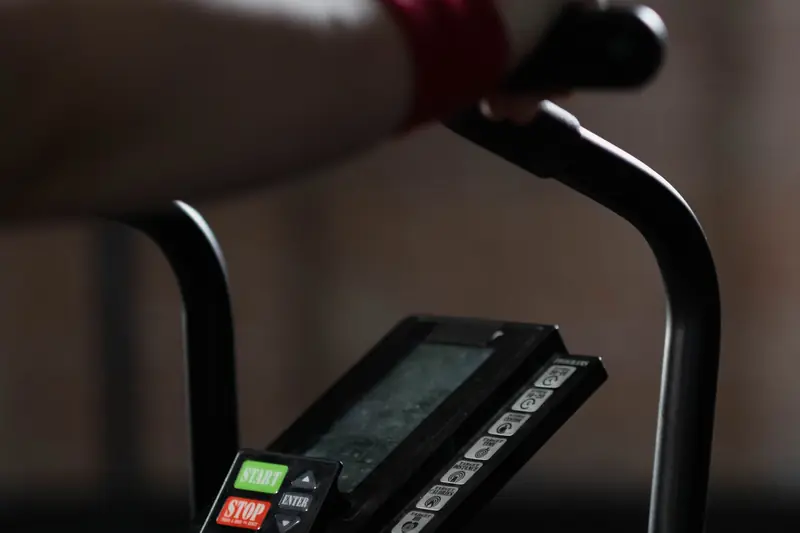
Rowing Machine vs Exercise Bike: Which Burns More, Fits Better?
Both machines are good ways to build aerobic fitness at home, and neither is better for everyone. A rower uses more of the body in each stroke and asks for more floor. A bike is simpler to start and easier to fit. We do not compare calories here, because we have no sourced numbers for them.
Rowing machine: the better choice if…
- You want a full-body movement in each stroke.
- You have room for a long machine or space to store it upright.
- You are happy to learn some technique first.
Exercise bike: the better choice if…
- You want the simplest machine to start and keep using.
- Floor space is tight or you want a seated option.
- You may share the machine with people of different heights.
Jump to section
At a glance
| Point | Rowing machine | Exercise bike |
|---|---|---|
| Muscles used | Legs, back and arms in each stroke | Mostly the legs |
| Impact on joints | Seated; ask your doctor if unsure | Seated; ask your doctor if unsure |
| Space and storage | Long; some stand upright or fold | Compact; recumbent bikes are longer |
| Noise | Varies by resistance type | Varies by resistance type |
| Intensity options | Set by your effort and damper | Set by resistance level and cadence |
| Price | Varies by listing; check current prices on Amazon | Varies by listing; check current prices on Amazon |
Muscles used
A rowing stroke uses the legs and back for the drive, then the arms and the swing of the body on the recovery, as a Texas DPS training guide for the Concept2 rower describes it (Texas DPS). A bike is mostly a leg movement, with the upper body supporting you on the handlebars. If you want one machine that asks something of the whole body, the rower does that; if you mainly want to work the legs and keep the upper body fresh, the bike does.
Impact on joints
Both machines are seated, and neither involves the repeated footfalls of running. We do not have a sourced comparison of joint stress between the two, so we do not rank them on it. If you have joint, back or heart concerns, ask your doctor which kind of exercise suits you before you buy.
Space and storage
A rower is long, but many stand on their end or fold, which cuts the floor they need between sessions. An upright bike has a smaller footprint, and a recumbent bike is longer because of its backrest and reclined seat. Measure the space for use and for storage, and use our home gym planning guide to place the machine in the room.
Noise
Noise depends on the resistance type and on the room around the machine. Maker noise claims are maker-stated and hard to compare, so check the resistance type in each spec table. If you share a wall or a floor with a neighbor, put a mat under either machine.
Intensity options
Judge intensity the same way on either machine. The CDC says that on a 0 to 10 effort scale, moderate is 5 to 6 and vigorous starts at 7 to 8, and that in the talk test you can talk but not sing at moderate effort (CDC). By METs, moderate is 3 to 5.9 and vigorous is 6.0 or more. On a rower, Concept2 says the damper setting does not set the effort by itself: the resistance comes from you (Concept2).
Price
Prices change often and vary by seller, so check the current price on Amazon. Compare the listed specs, such as the resistance type, the maximum user weight and whether the console needs a subscription, before you compare cost. A machine you use regularly is worth more than a cheaper one that sits idle.
Which should you buy?
Choose a rowing machine if you want a whole-body stroke and have space to store a long machine. Choose an exercise bike if you want the simplest, most compact way to meet the weekly target. Both count toward the 150 minutes of moderate or 75 minutes of vigorous activity per week that the CDC recommends for adults (CDC).
Alternatives
If you would rather walk, read treadmill vs walking pad. For how much activity to aim for, see how much exercise you need per week.
FAQ
Which machine is better for beginners?
A bike has the simplest start. A rower takes a little technique; see our guide on how to use a rowing machine.
Do both count toward the weekly guideline?
Yes, both are aerobic activity toward 150 minutes of moderate or 75 minutes of vigorous activity a week (CDC).
Which should I pick if I have joint problems?
Ask your doctor. We do not have a sourced joint comparison, so we leave it to your health care provider.
Related
-
Buying guide
Best Rowing Machines for Home
Resistance type, monitor, length and storage, side by side.
-
Buying guide
Best Exercise Bikes for Home
Upright, recumbent and indoor cycling bikes, compared by fit and footprint.
-
Guide
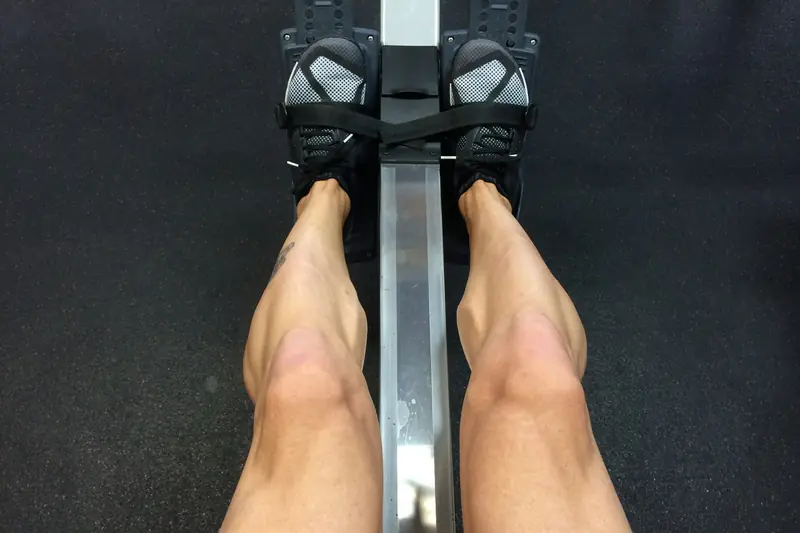
How to Use a Rowing Machine: Technique, Damper and First Workouts
The four stroke phases, damper vs drag factor, mistakes and a first week.
-

Guide
Target Heart Rate Zones: How to Find Yours
The AHA formula, moderate and vigorous zones, an age chart and cautions.
-
Guide
How Much Exercise Do You Need Per Week? The Official Numbers
The official weekly numbers for adults and kids, with sample home-gym weeks.
Get the Home Gym Starter Checklist
A printable 8-point checklist built on CDC and ACSM guidance and treadmill manuals. Free, and sized to pin up next to your equipment.