
Best Home Gym Flooring
Gym flooring protects the floor under your equipment, cuts noise and gives you a grippy surface to train on. The decisions that matter are the material, the thickness for what you do, and whether it goes over concrete or carpet. This page is for anyone laying a floor in a garage, basement or spare room.
Jump to section
What we look for
Thickness for the use
a floor for cardio machines and a floor for dropped weights need different thicknesses.
Material
rubber, foam and stall mats behave differently under weight.
Odor
new rubber can smell, which matters in a closed room.
Over concrete or carpet
the surface under the flooring affects how it should be installed.
Ease of installation
tiles and rolls go down differently, and some need cutting.
Coverage size
the coverage tells you how many pieces you need for your layout.
- Sources: manufacturer product pages and installation notes, warranty terms, and the ProForm Trainer 8.0 manual for the point that a treadmill needs a level surface.
How to choose the right gym flooring
Flooring is easier to get right before the equipment arrives. Our guide on how to build a home gym places flooring in the order of purchases, and the treadmill safety guide explains why a machine needs a level surface.
Thickness for the use
Compare the thickness in the table with what you will do. Machines and bodyweight work need less, and heavy lifting and dropped weights need more. Read the maker's guidance on use. Match the thickness to the heaviest thing you will do on it. If you use more than one kind of equipment, decide which activity is the hardest on the floor and size the flooring for that one.
Material
Foam suits bodyweight work and stretching. Rubber, in tiles, rolls or stall mats, stands up to weights and machines. Check the material column, and think about whether you need something you can lay in minutes or something more permanent. If you use cardio machines and weights in the same room, look at the material column for something that handles both, and check the maker's guidance on use.
Odor
Rubber can have an odor at first. Check the listing for odor notes, and plan to air out the room after you lay it. If you are sensitive to smell or the room has poor ventilation, this deserves extra attention.
Over concrete or carpet
Carpet needs rigid tiles made for it, and the maker's guidance should say so. Check what the maker says about each base before you buy, and keep the base clean and dry when you lay the floor. Our home gym guide explains how the floor fits into the room plan, and the ProForm manual says a treadmill needs a level surface (ProForm Trainer 8.0 manual).
Ease of installation
Interlocking tiles click together and can be cut to fit a room. Rolls cover a large area with fewer seams but are heavier to handle. Check the weight per piece in the table, since a heavy roll is hard for one person to move into place.
Coverage size
Measure the area under your equipment, then compare it with the tile or roll size. Cover the full footprint of the machines or the rack, and plan the layout so the seams do not sit under the heaviest load. Our guide to how to build a home gym shows how to plan the room. Check the interlocking column in the spec table too, since interlocking pieces make it easier to keep a layout together. Compare the tile or roll size column across pages so you judge every product on the same footing.
Tips for using your gym flooring
- Lay the flooring before you assemble a rack or a machine.
- Keep a spare piece to test odor and fit before you cover the whole room.
- Check the manual of any machine on the floor for placement rules; see the treadmill safety guide.
- Measure the room and the equipment footprint before you pick a tile or roll size, and check the weight per piece in the table, since a heavy roll is difficult to move into place alone.
FAQ
Foam or rubber?
Foam works for bodyweight exercises and stretching. Rubber is the better match for weights and machines.
Can I lay it over carpet?
Use rigid tiles made for carpet, and follow the maker's guidance for your product.
Will it smell?
New rubber can carry an odor at first, so check the listing for odor notes before you buy.
What goes under a treadmill?
A mat protects the floor, but the treadmill still needs a level surface, which is what the ProForm manual specifies (ProForm Trainer 8.0 manual).
Related
-
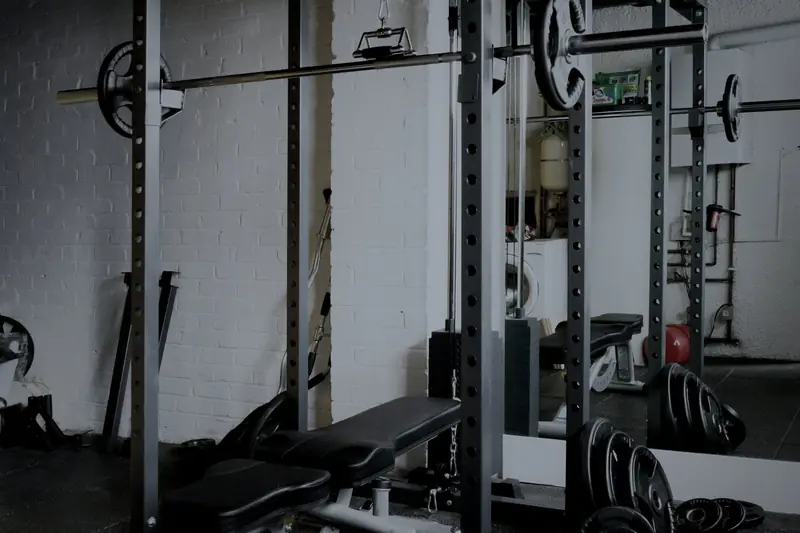
Buying guide
Best Power Racks for Home Gyms
Height, footprint, safeties and capacity for a rack that fits your room.
-
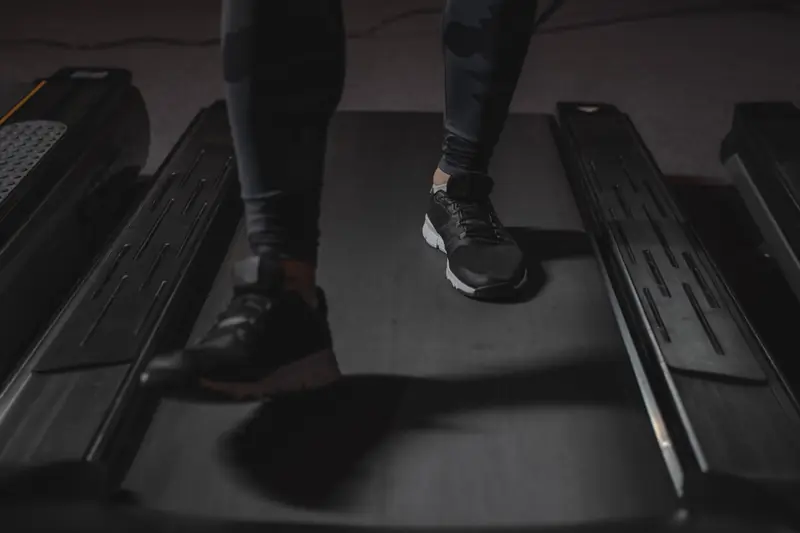
Buying guide
Best Treadmills for Home
Motor, running area, incline, clearance and subscriptions, side by side.
-

Buying guide
Best Kettlebells for Home Workouts
Material, handle, markings and base, for fixed and adjustable kettlebells.
-

Buying guide
Best Adjustable Dumbbells for Home Gyms
Weight range, increments, adjustment type and footprint, side by side.
-
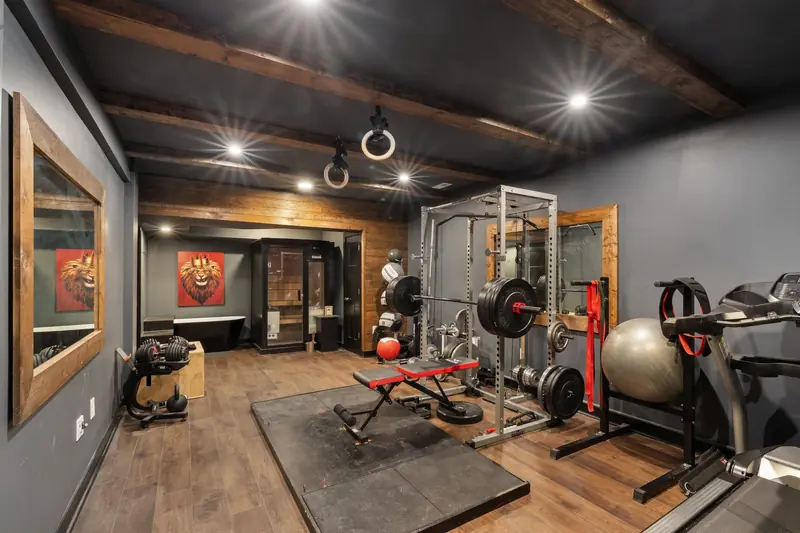
Guide
How to Build a Home Gym: Space, Budget and First Buys
Space, clearance, strength gear, cardio, flooring and safety, in order.
-
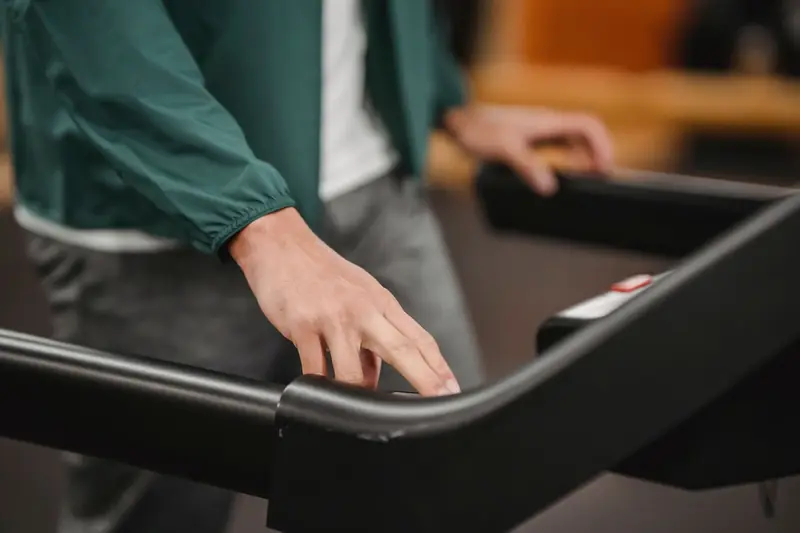
Guide
Treadmill Safety at Home: Kids, Keys and Clearance
Clearance, safety key, children and pets, unplugging and power, from CPSC and manuals.
Get the Home Gym Starter Checklist
A printable 8-point checklist built on CDC and ACSM guidance and treadmill manuals. Free, and sized to pin up next to your equipment.