
Best Kettlebells for Home Workouts
A kettlebell packs a full workout into a single handle and a small corner of the room. The decisions that matter are the material and finish of the handle, whether the weight is fixed or adjustable, and how clearly the weight is marked. This page is for beginners and home lifters choosing one bell or a small set.
Jump to section
What we look for
Material
cast iron, competition steel and adjustable designs differ in feel and use.
Handle diameter and finish
the handle is where the bell meets your hands, so it must fit them.
Clear kg and lb markings
markings help you pick the right bell quickly and keep track of progress.
Flat base
a flat base lets you rest the bell upright and is needed for some moves.
Adjustable or fixed weight
adjustable bells save space, and fixed bells are simpler.
Coating
coatings protect the bell and the floor, but they change the feel.
How to choose the right kettlebell
A kettlebell is a simple tool, but a wrong weight or a poor handle makes it hard to use. Our strength training for beginners guide covers how heavy to start, and how to build a home gym shows where a bell fits in the room.
Material
Cast iron bells are the common choice at home and vary in size with weight. Competition-style bells use steel and keep the same size across weights, which matters if you move up through weights. Adjustable bells use plates in a shell. Check the material in the table against how you plan to train. Your plan decides this one. If you want to move up through weights and keep the same feel, look at how the maker describes the shape across weights.
Handle diameter and finish
Compare handle diameter and look at the finish. Look at how the maker describes the finish, since a rough finish and a smooth one feel different in the hand. Window size matters for fitting your hand in and for moves where you hold the bell with two hands. Compare the handle diameter column across pages so you judge every bell on the same footing.
Clear kg and lb markings
Look for weights stamped or cast clearly in both units if you use either. If you buy a set, check that the markings differ enough for you to tell bells apart at a glance. Clear markings also help you follow the loading advice in our beginner strength guide, where ACSM says to add 2 to 10% load once you can do one or two repetitions more than your target (ACSM via PubMed).
Flat base
A flat base keeps the bell stable on the floor and lets you do moves such as renegade rows or presses from the ground. Rounded bases are fine for swinging. Check the base in the table, and make sure the floor is protected; see our flooring guide. A flat base also helps when you store the bell between sessions, since it will not roll.
Adjustable or fixed weight
Adjustable bells let one handle cover several weights, which suits small rooms. Fixed bells are quicker to grab and have fewer parts to loosen. If you follow the loading advice in our beginner strength guide, you will change weight every so often, which favors an adjustable bell. The adjustable range column in the table shows how many weights one handle covers.
Coating
Vinyl, powder or rubber coatings protect floors and reduce clang. Check the coating column and think about where the bell lives.
Tips for using your kettlebell
- Choose a weight you can control for 8 to 12 repetitions (ACSM via PubMed); see the loading guidance in our beginner guide.
- Put a mat or flooring under the bell for swings and drops.
- Pair a bell with adjustable dumbbells if you want more variety.
- If you share the room, plan where the bells will be stored, and look at the weight and window size columns together if you plan to use two hands on the handle.
FAQ
What weight should I start with?
Choose one you can control for 8 to 12 repetitions. That is the ACSM principle for beginners (ACSM via PubMed).
Adjustable or fixed?
An adjustable bell saves space because one handle covers several weights. A fixed bell is simpler and quicker to pick up.
How often should I train with one?
The CDC says adults need muscle-strengthening activity on at least 2 days a week (CDC).
Do I need a mat?
A rubber mat protects the floor under the bell. See our home gym flooring page for the options.
Related
-
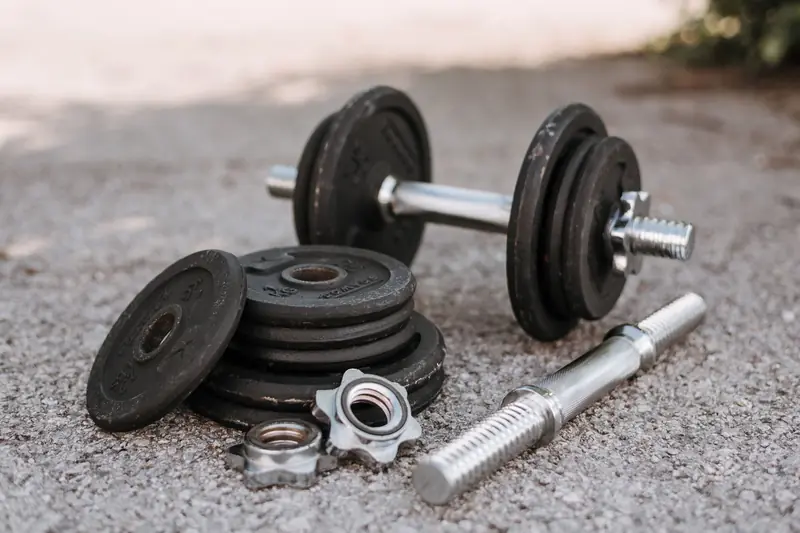
Buying guide
Best Adjustable Dumbbells for Home Gyms
Weight range, increments, adjustment type and footprint, side by side.
-

Buying guide
Best Barbells for Home Gyms
Shaft, knurling, tensile strength, sleeves and coating, side by side.
-
Buying guide
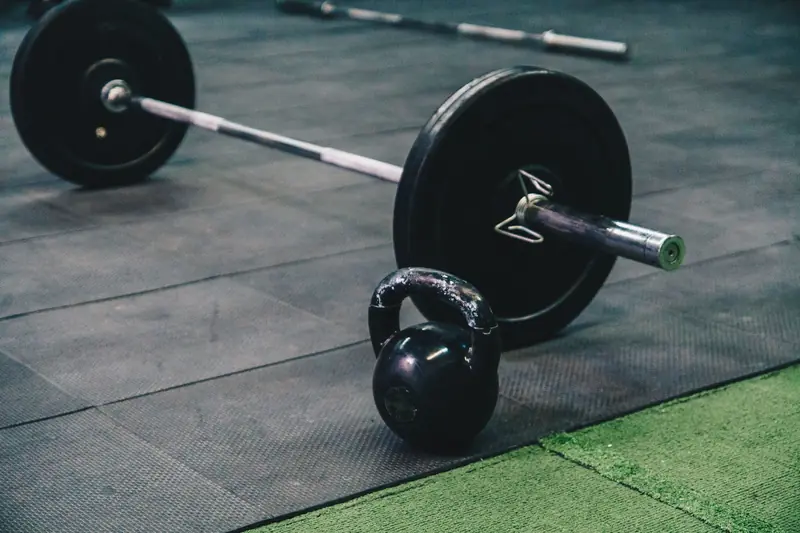
Best Home Gym Flooring
Rubber tiles, rolls, stall mats and foam, for concrete, carpet and garages.
-
Guide
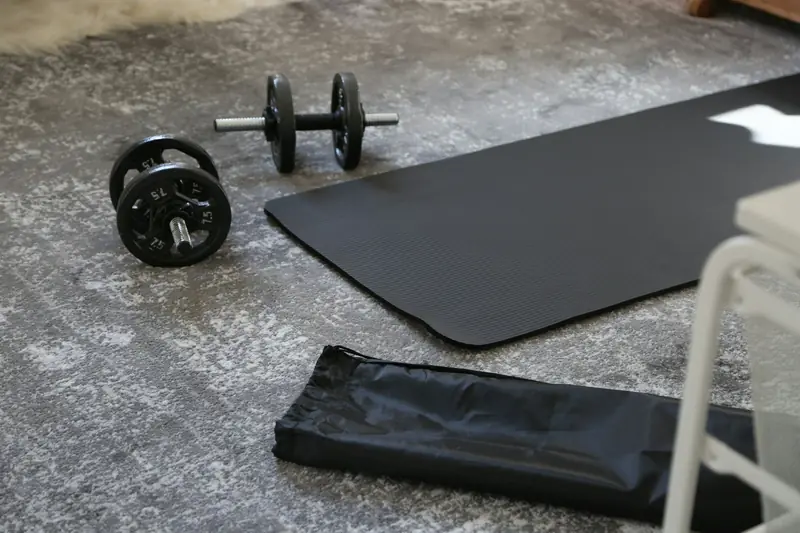
Strength Training for Beginners at Home
How often, how heavy, how to progress and what to buy first.
-
Buying guide
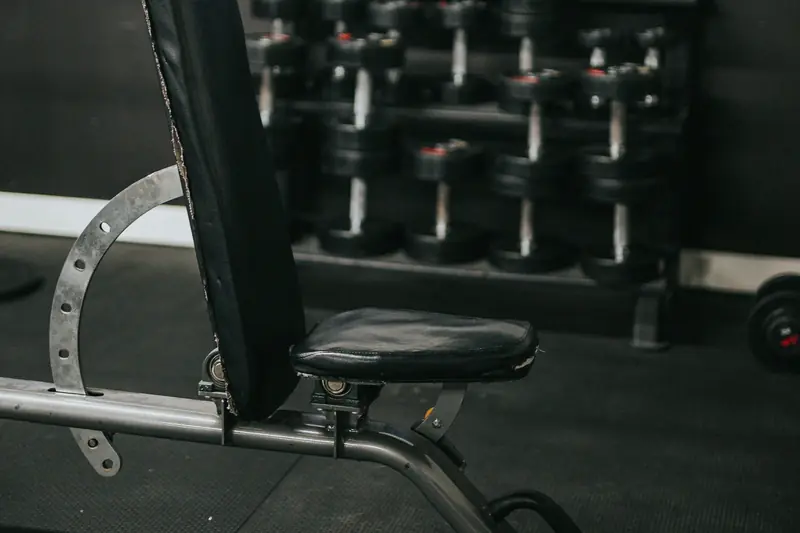
Best Weight Benches for Home Gyms
Flat or adjustable, capacity, positions and storage, side by side.
-
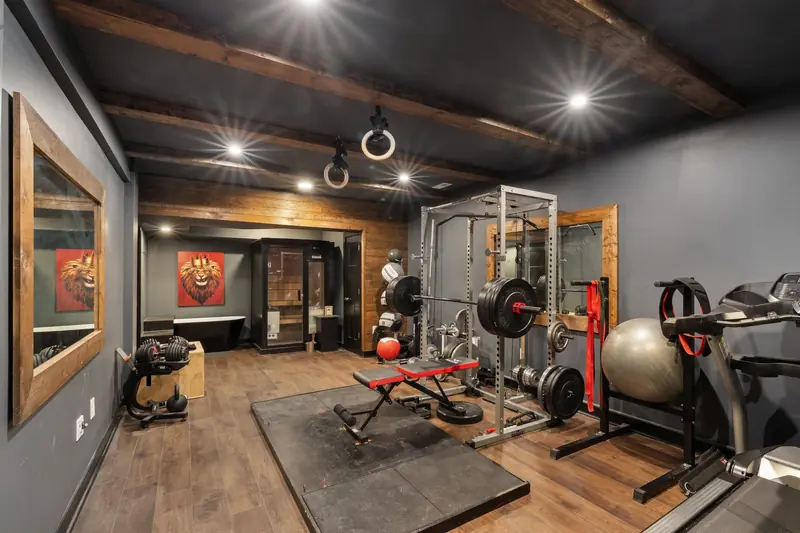
Guide
How to Build a Home Gym: Space, Budget and First Buys
Space, clearance, strength gear, cardio, flooring and safety, in order.

Get the Home Gym Starter Checklist
A printable 8-point checklist built on CDC and ACSM guidance and treadmill manuals. Free, and sized to pin up next to your equipment.