
Best Barbells for Home Gyms
A barbell is the centerpiece of a strength setup, and small differences in the bar change how it feels. The decisions that matter are the shaft diameter and knurling, how the sleeves rotate, and whether the bar is built for general lifting or for powerlifting. This page is for home lifters buying a first barbell or upgrading one.
Jump to section
What we look for
Shaft diameter and knurling
the shaft and the knurl are where the bar meets your hands.
Tensile strength and whip
tensile strength shows how much the steel resists permanent bending, and whip is how much the bar flexes.
Sleeve rotation
bushings and bearings change how the plates spin.
Length and weight
the bar has to fit your rack and your room.
Coating
the coating protects against rust and changes the feel.
Women's bar options
some bars are made with a smaller shaft and a different length.
- Sources: manufacturer product pages and warranty terms, and beginner loading guidance from ACSM.
How to choose the right barbell
A barbell needs somewhere to rest and a way to catch a failed lift. Our guide to power racks covers that, and strength training for beginners explains how to load the bar safely. Bars look alike in photos, so compare the shaft, the sleeves and the stated strength in the table, and read the maker's care notes. A good bar is a long-term purchase, and the small differences are the ones you feel every session.
Shaft diameter and knurling
Compare the shaft diameter and read how the maker describes the knurling. Aggressive knurling grips well and can scrape the skin on high-rep sets. Smoother knurling is kinder to hands. Knurl marks show where to set your hands and make it easy to center your grip.
Tensile strength and whip
The tensile figure in the table is the maker's rating of the steel. A higher number means the steel is rated to resist bending under load. Whip is the spring of the bar; some lifters like more and some less. Treat both as maker-stated figures.
Sleeve rotation
Check whether the sleeves turn on bushings or bearings. Both let the sleeves rotate independently of the shaft. Read the maker's description to see which a bar uses and how it describes the feel when loaded. Sleeve size matters as well: Olympic and standard bars use different sleeve and plate-hole sizes, so their plates are not interchangeable. Check the spec table before you buy plates.
Length and weight
Compare the length with the width of your rack and the room on either side for plates. Check the weight in the table, since it is part of the total load. A bar that is too long for the room is a problem; measure first. Also check the plate-loading space on each sleeve against the plates you plan to use, because a crowded sleeve limits how much you can load.
Coating
Bare steel, black oxide, zinc and chrome finishes differ in feel and in how they hold up in a damp garage. Check the coating column and the maker's care guidance. A coating that suits a dry room may not suit a humid one.
Women's bar options
Check whether the maker offers a women's version, which may differ in shaft diameter or length; the spec table shows both. Not every lifter needs one, so choose by hand size and comfort. If you are unsure, compare the shaft diameter and length columns for both versions and think about how the bar feels in your hands, since the choice is about fit.
Tips for using your barbell
- Check the sleeve and plate-hole sizes before you buy plates, so the two match.
- Use a rack with safeties for squats and bench press; see power racks.
- Start with a load you can lift for 8 to 12 repetitions, as ACSM advises beginners (ACSM via PubMed), and follow the loading advice in our strength guide.
- Store the bar on a horizontal or vertical holder, and put flooring under the rack.
FAQ
Olympic or standard bar?
The two types have different sleeve and plate-hole sizes, so plates made for one do not fit the other. Check the spec table before you buy plates.
Do I need a rack?
For squats and the bench press, yes: use a rack with safeties. Our power rack page lists what to compare.
How should a beginner start?
With a load you can lift for 8 to 12 repetitions, which is ACSM's starting advice for beginners (ACSM via PubMed).
How do I store a barbell?
A horizontal or vertical bar holder keeps it off the floor and out of the way.
Related
-
Buying guide
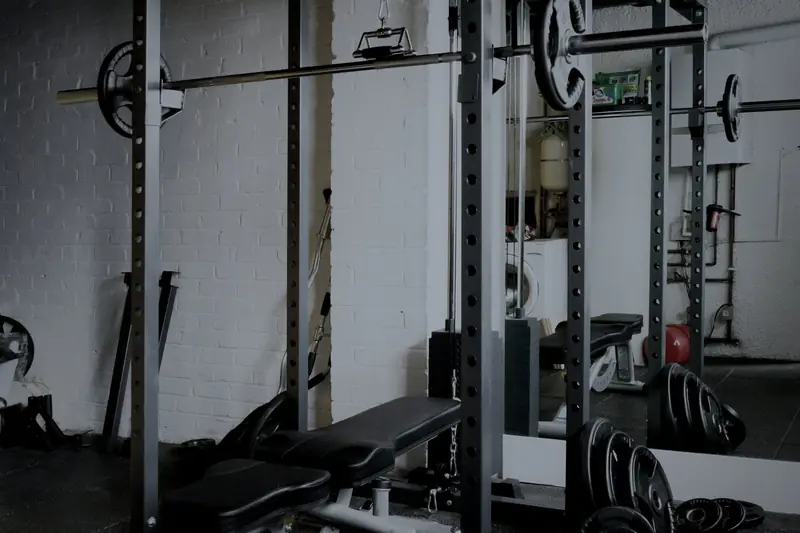
Best Power Racks for Home Gyms
Height, footprint, safeties and capacity for a rack that fits your room.
-
Buying guide
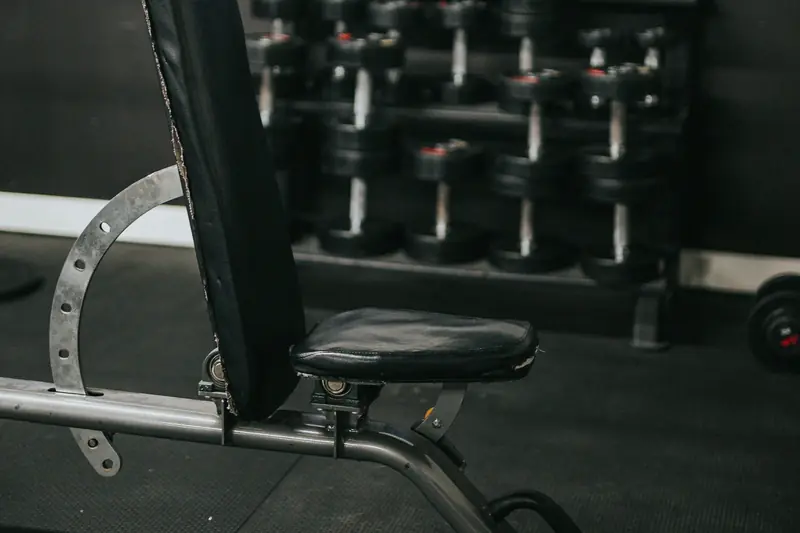
Best Weight Benches for Home Gyms
Flat or adjustable, capacity, positions and storage, side by side.
-
Buying guide
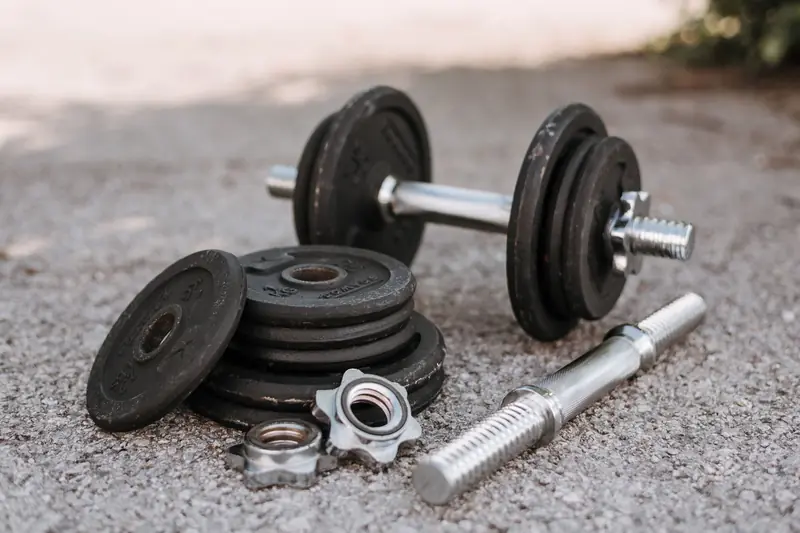
Best Adjustable Dumbbells for Home Gyms
Weight range, increments, adjustment type and footprint, side by side.
-
Buying guide
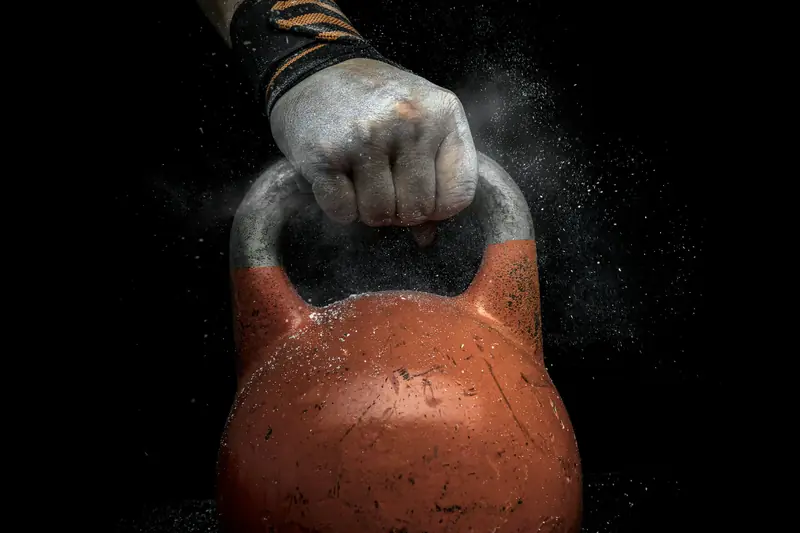
Best Kettlebells for Home Workouts
Material, handle, markings and base, for fixed and adjustable kettlebells.
-
Guide
Strength Training for Beginners at Home
How often, how heavy, how to progress and what to buy first.
-
Buying guide
Best Squat Racks for Small Spaces and Low Ceilings
Folding and compact racks, with height, folded depth and mounting needs.

Get the Home Gym Starter Checklist
A printable 8-point checklist built on CDC and ACSM guidance and treadmill manuals. Free, and sized to pin up next to your equipment.