
Best Weight Benches for Home Gyms
A weight bench is the piece that turns dumbbells into a chest, shoulder and back workout. The decisions that matter are whether you need a flat or adjustable bench, how much weight it is rated to carry, and whether it folds away when you are done. This page is for home lifters picking a first bench or replacing one that wobbles.
Jump to section
What we look for
Flat or adjustable
adjustable benches add incline work, while flat benches are simpler and sturdier.
Stability and rated capacity
a wobbly bench is a safety problem, so the capacity and frame design matter.
Pad width and height
the pad has to support your back and let your feet reach the floor.
Number of adjustment positions
more positions give you more angles, but each one is a part that can shift.
Folding or wheels for storage
a bench that stores easily is much more useful in a shared room.
Gap between pads
the gap between back and seat pads affects comfort and how well you are supported.
How to choose the right weight bench
Benches are simple, but small differences add up. If you are choosing between a bench and a rack, our guide on how to build a home gym shows what to buy first, and strength training for beginners covers how to use it.
Flat or adjustable
A flat bench is the simplest form: a pad on a frame. An adjustable bench lets you tilt the back for incline presses and sometimes the seat as well. Pick adjustable if you want more variety from dumbbells, and flat if you mostly press and want the most solid frame for the money. Check the type column and the back and seat positions columns before you decide, and think about which lifts you plan to do most.
Stability and rated capacity
Check the listed capacity in the table, and read how the maker defines it. Makers state whether the figure covers you plus the weights, or only you. The frame design, the footing and the way the bench sits on your floor all affect how steady it feels under load. Stability matters most when you press heavy, which is also when a power rack with safeties comes in.
Pad width and height
A wider pad gives you more support across the shoulders but can get in the way of your arms on some lifts. Height affects how your feet meet the floor. Look at both in the table, and think about your own height and leg length.
Number of adjustment positions
Compare the back and seat positions listed. Several back angles let you move from flat to incline to upright for shoulder presses. Check how the adjustment locks, since a bench that slips between sets is a hazard.
Folding or wheels for storage
A folding bench or one with transport wheels moves out of the way when you are done. Read the folded size and check that the folding mechanism locks securely in use. If you use the room for other things, this feature is as important as capacity. Check the weight column too, since a bench you cannot lift is hard to store.
Gap between pads
On adjustable benches the back and seat pads are separate pieces with a gap. Look at how large the gap is in the listing. Compare the photos and descriptions in the listing, and note that this detail is hard to judge from specs.
Tips for using your weight bench
- Pair the bench with adjustable dumbbells for a compact setup that needs no rack.
- If you plan to bench heavy with a bar, add a power rack with safeties.
- Put flooring under the bench so the feet do not slip or mark the floor.
- Check the folded size and weight of any bench you plan to move often, and compare the pad width and height in the table with your own height.
FAQ
Flat or adjustable?
An adjustable bench adds incline work. A flat bench is simpler, sturdier and cheaper.
What does capacity include?
Read the spec closely, because makers say whether the capacity covers the user plus the weights.
How many days a week should I use it?
What order should exercises go in?
ACSM advises doing multi-joint exercises before single-joint ones (ACSM).
Related
-
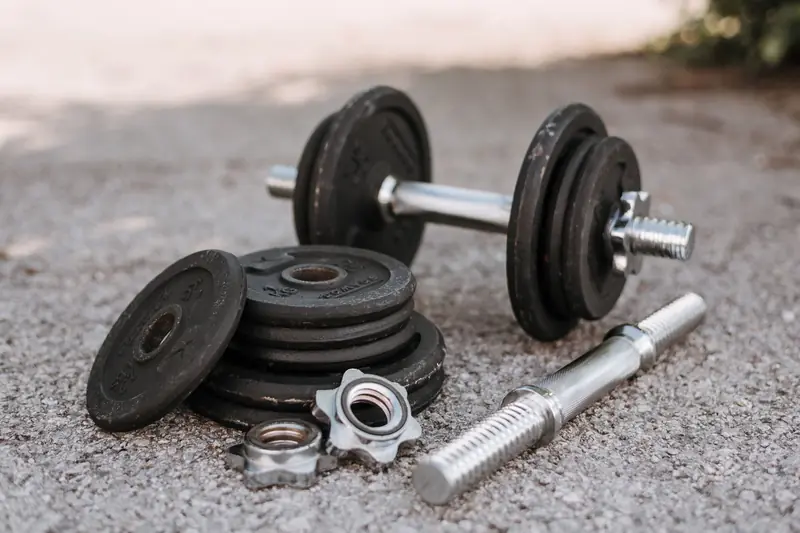
Buying guide
Best Adjustable Dumbbells for Home Gyms
Weight range, increments, adjustment type and footprint, side by side.
-
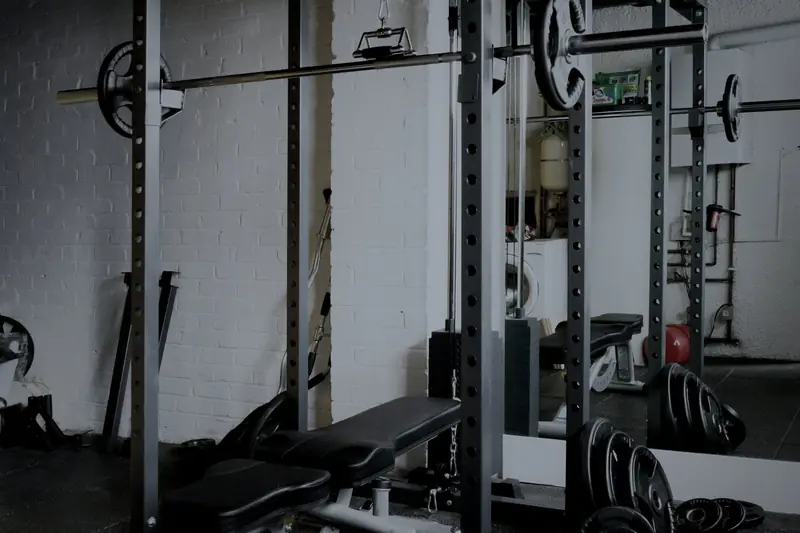
Buying guide
Best Power Racks for Home Gyms
Height, footprint, safeties and capacity for a rack that fits your room.
-
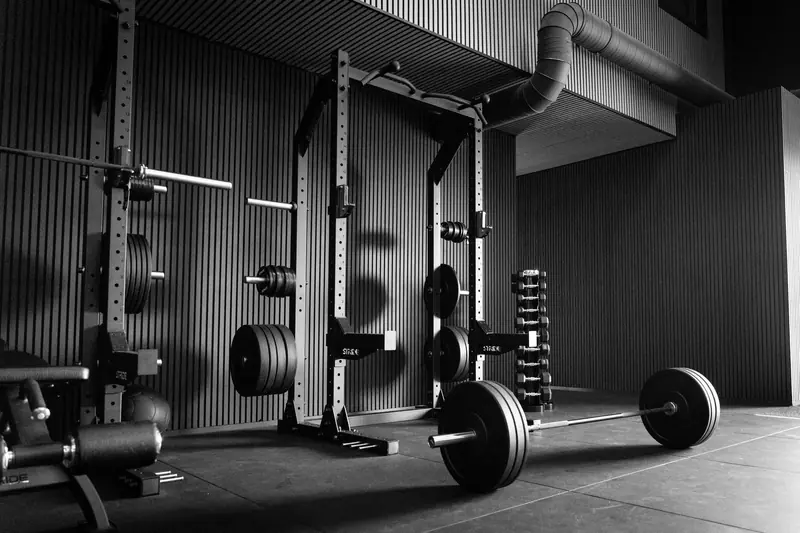
Buying guide
Best Squat Racks for Small Spaces and Low Ceilings
Folding and compact racks, with height, folded depth and mounting needs.
-
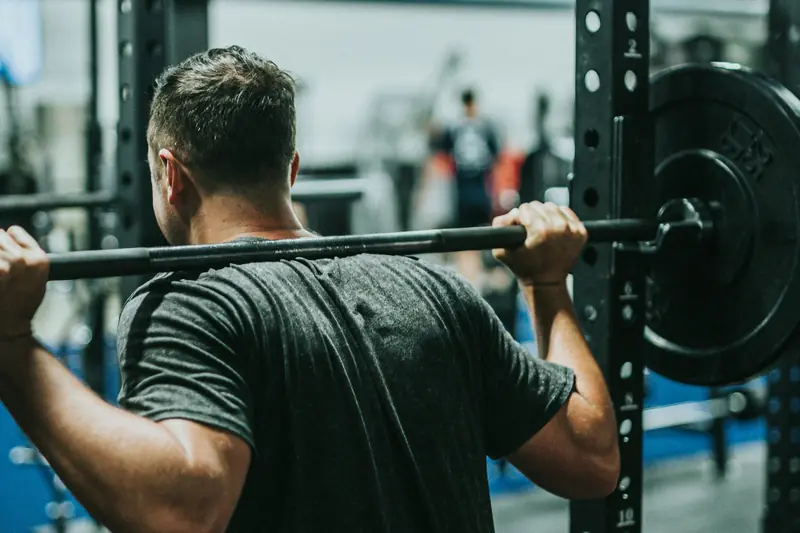
Comparison
Power Rack vs Squat Rack: Which Is Right for Your Home Gym?
A four-post cage or two-post stands: structure, safeties, footprint and fit.
-
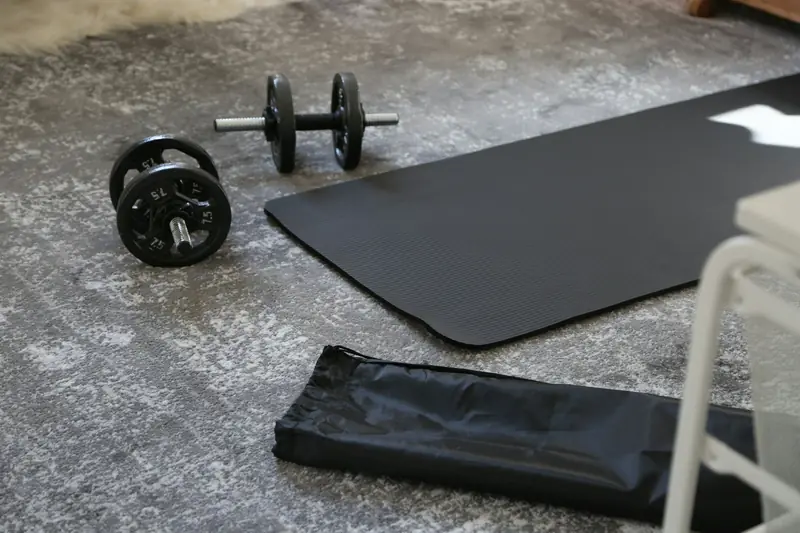
Guide
Strength Training for Beginners at Home
How often, how heavy, how to progress and what to buy first.
-
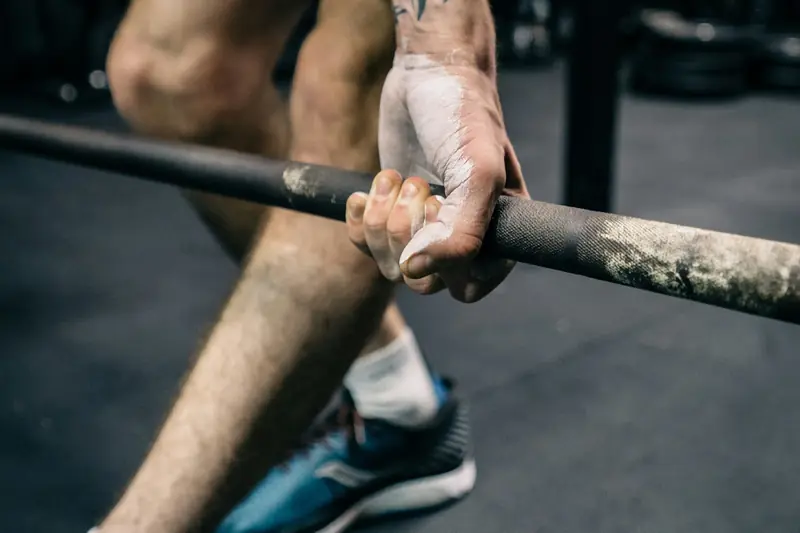
Buying guide
Best Barbells for Home Gyms
Shaft, knurling, tensile strength, sleeves and coating, side by side.

Get the Home Gym Starter Checklist
A printable 8-point checklist built on CDC and ACSM guidance and treadmill manuals. Free, and sized to pin up next to your equipment.