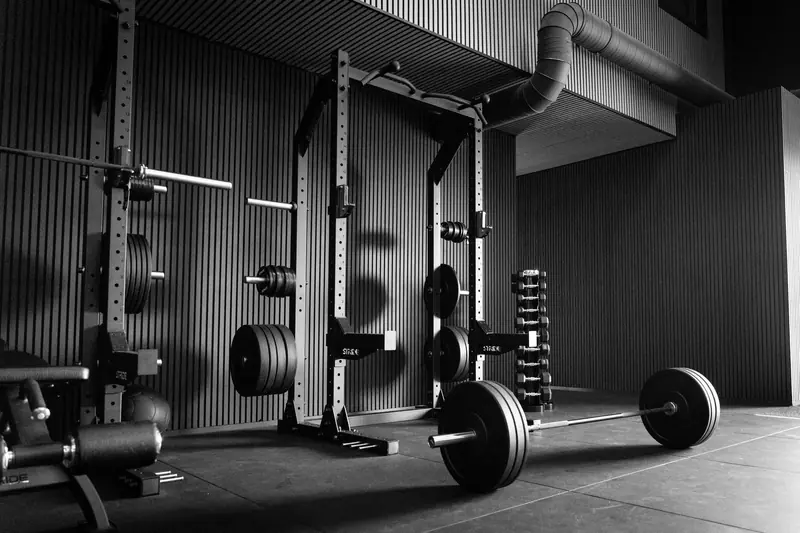
Best Squat Racks for Small Spaces and Low Ceilings
A squat rack does not have to take over a room. Folding, wall-mounted and short-height racks give you somewhere safe to lift in an apartment, a garage with a low ceiling or a shared space. The decisions that matter are the rack's height, how it mounts and how much room it needs when folded. This page is for lifters short on floor or headroom.
Jump to section
What we look for
Folding or compact footprint
when you are short on room, the footprint when folded matters as much as the footprint in use.
Height options for low ceilings
a rack that is too tall for the room is not usable, so check the height and any adjustment.
Mounting needs
wall studs and floor type decide where a mounted rack can safely go.
Safeties
the safeties are what catch a failed rep, so look at how they work in a small footprint.
Capacity
the capacity covers the rack and its safeties, so check both.
Storage
a compact rack should also make it easy to store your bar and plates.
- Sources: manufacturer product pages and mounting manuals, warranty terms, and a Zircon manual for typical wall stud spacing.
How to choose the right small-space squat rack
A small rack still has to be mounted, loaded and used safely. If you are deciding between a two-post rack and a cage, read power rack vs squat rack. For the bigger plan, see how to build a home gym.
Folding or compact footprint
A fold-away rack mounts to the wall and swings flat when you are done, while a compact free-standing rack keeps its footprint all the time. Check the folded depth in the table against the distance you can spare from the wall. If you share the space with other activities, folded depth is likely the deciding number. Compare the folded depth column across the pages in this category, and think about whether you have somewhere to leave the bar and plates when the rack is folded.
Height options for low ceilings
Measure to the lowest ceiling point, then compare it with the rack height. Allow room for the bar and your own movement, since you need to get under a loaded bar and stand up. Check the height column and whether the maker lists height options.
Mounting needs
Fold-away racks mount to the wall and need solid support behind it. Wall studs are normally 16 or 24 in apart (Zircon manual), so check the stud spacing the rack's maker requires and compare it with your wall. If the numbers do not line up, ask the maker what it advises; do not improvise the mounting. The Zircon manual is the source for the 16 or 24 in figure, and it is a general guide, so the rack maker's requirement always comes first (Zircon manual).
Safeties
Check the safety type in the table, whether arms, straps or pins, and that they sit low enough for your lowest rep. Read the maker's guidance on how to use them on your model.
Capacity
Compare the listed capacity with what you plan to lift, and read what the maker says it includes. Makers list capacity for the rack, and in some cases a different figure for the safeties or attachments. A lower-capacity rack can still suit a beginner, but know the limit. Check the safeties column as well, because the safeties are what stop a failed rep.
Storage
Look at where the barbell and plates will live when you are not training. Some racks have pegs for plates or a bar holder, and some leave you to add your own storage. Plan the storage along with the rack, using our guide on how to build a home gym.
Tips for using your small-space squat rack
- Check the wall behind a fold-away rack before you order, and follow the maker's mounting instructions exactly.
- If you rent or share walls, think about noise and flooring: our gym flooring guide covers the options.
- Add a weight bench that folds if you want to press in the same footprint.
- Measure the lowest ceiling point and the wall width before you pick a model, then compare both with the height and mount columns.
FAQ
Does a wall-mounted rack need studs?
Fold-away racks mount to the wall. The Zircon manual says studs are normally 16 or 24 in apart (Zircon manual), so compare that with the spacing the rack's maker requires.
What about low ceilings?
Pick a rack height that leaves room for the bar and your lifts, and measure to the lowest point of the ceiling.
Is it apartment-friendly?
Think about noise and flooring as well as footprint. Our gym flooring guide covers what goes under a rack.
What capacity do I need?
Check the rated capacity of the rack and of its safeties, and compare each with what you plan to lift.
Sources
Related
-
Buying guide
Best Power Racks for Home Gyms
Height, footprint, safeties and capacity for a rack that fits your room.
-
Comparison
Power Rack vs Squat Rack: Which Is Right for Your Home Gym?
A four-post cage or two-post stands: structure, safeties, footprint and fit.
-
Buying guide
Best Weight Benches for Home Gyms
Flat or adjustable, capacity, positions and storage, side by side.
-
Buying guide
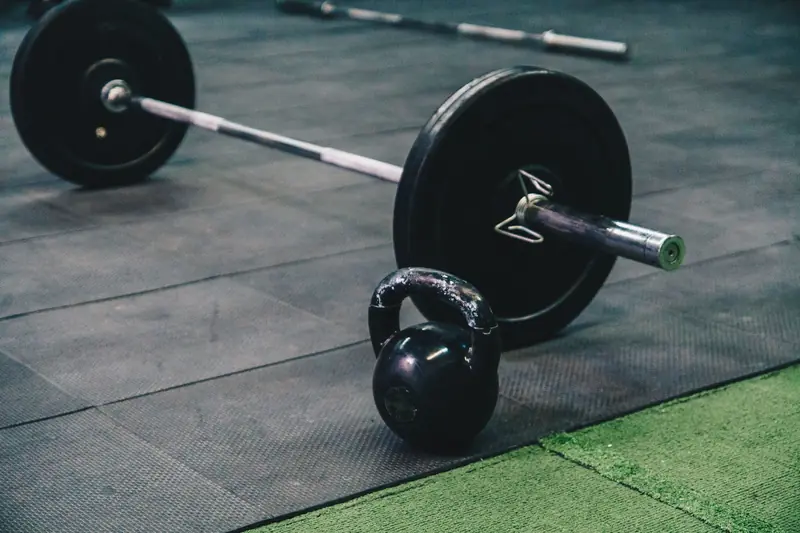
Best Home Gym Flooring
Rubber tiles, rolls, stall mats and foam, for concrete, carpet and garages.
-
Guide
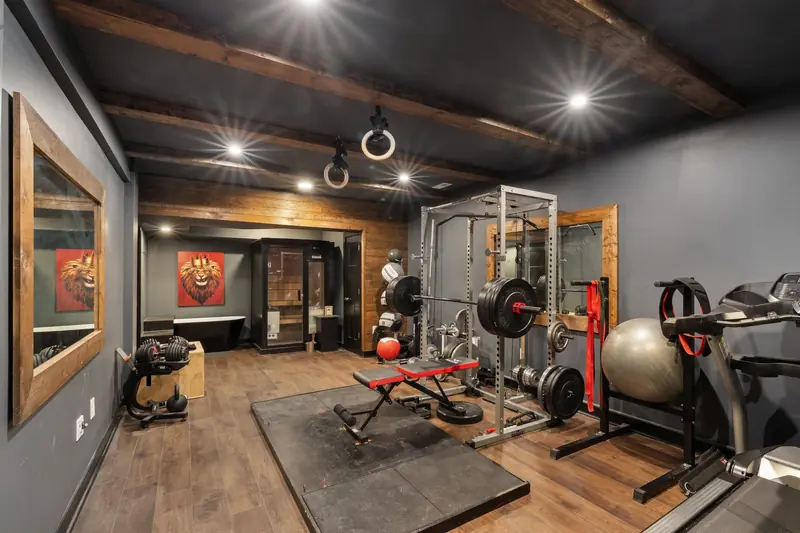
How to Build a Home Gym: Space, Budget and First Buys
Space, clearance, strength gear, cardio, flooring and safety, in order.
-

Buying guide
Best Barbells for Home Gyms
Shaft, knurling, tensile strength, sleeves and coating, side by side.

Get the Home Gym Starter Checklist
A printable 8-point checklist built on CDC and ACSM guidance and treadmill manuals. Free, and sized to pin up next to your equipment.