
Best Power Racks for Home Gyms
A power rack gives you a safe place to squat, press and pull heavy weight at home. The decisions that matter are whether it fits under your ceiling, how much floor it takes, and which safety and attachment options come with it. This page is for lifters setting up a garage, basement or spare-room gym.
Jump to section
What we look for
Height versus your ceiling
a rack that touches the ceiling cannot be used for pull-ups or overhead work.
Footprint and depth
depth decides how much room you need to load the bar and walk around it.
Upright size and hole spacing
these decide which attachments fit and how finely you can adjust the bar height.
Safety arms or straps
safeties are what let you train alone without being pinned by a failed rep.
Rated capacity
the listed capacity tells you what the rack and its safeties are built to hold.
Pull-up bar and cable add-ons
built-in or optional attachments can make one rack do the work of several machines.
- Sources: manufacturer product pages, assembly and anchoring manuals, and warranty terms, plus the CDC strength guidance for how much strength work adults need.
How to choose the right power rack
Power racks are bigger decisions than most equipment, so measure first. Our guide on how to build a home gym walks through the space check, and power rack vs squat rack helps if you are not sure you need a full cage.
Height versus your ceiling
Measure from the floor to the lowest point of the ceiling, including any beams, lights or garage door tracks. Then compare it with the rack height in the table. Leave room above the rack for pull-ups and overhead presses, since the rack is not the only thing that has to fit: you do too. If the numbers are close, look at our small-space squat racks.
Footprint and depth
Compare the width and depth in the table with your floor plan. A deeper cage gives more room inside for lifts but takes more floor. Remember to leave space in front to load plates and behind to rack the bar. If you plan to put the rack against a wall or in a corner, check how you will load plates on each side. Check the bolt-down column as well, because a rack that must be anchored also needs a floor where you can do that.
Upright size and hole spacing
Upright size and hole spacing tell you whether the rack takes the add-ons you want, such as dip bars, bar catches or storage pegs. Tight hole spacing lets you set the bar height more precisely. Check that attachments sold by the maker, or other brands, list your rack's upright size and hole pattern as compatible. Check these two columns before you buy any attachment, since they decide what the rack can accept later.
Safety arms or straps
Look at the safety type in the table. Arms are rigid and strap systems are flexible, and both catch the bar when you cannot finish a lift. Whichever type you choose, set them just below the lowest point of each lift; our rack comparison goes through the options. Read the manual for how the safeties attach and how to adjust them, and test the setting with an empty bar before you add weight.
Rated capacity
Check the rated capacity for the rack and, where given, for the safeties and the pull-up bar separately. A capacity far above what you plan to lift leaves a margin, but read what the maker says it covers. Compare the footprint column too, since capacity and floor space often trade off.
Pull-up bar and cable add-ons
Check the pull-up bar column in the table. Cable or pulley systems add rows, pulldowns and triceps work, but they extend the footprint and need extra floor space. Check whether the add-on comes in the box or is sold separately, and whether it fits the rack you are looking at.
Tips for using your power rack
- Pair the rack with a weight bench and a home-gym barbell so the pieces fit together.
- Put gym flooring down before you assemble the rack, not after.
- Read the anchoring section of the manual before you buy, so you know whether a bolt-down is expected.
- Check the height of the rack against your lowest ceiling point before anything else, and leave room for pull-ups and overhead presses.
FAQ
Power rack or squat rack?
A power rack is a four-post cage and a squat rack uses two-post stands. Our power rack vs squat rack page compares safety, footprint and attachments.
Do I have to bolt it down?
Follow the maker's anchoring instructions. The spec table has a column showing whether the rack requires bolting down.
Will it fit my ceiling?
Measure the rack height and add room for pull-ups and overhead presses. If the total is taller than your ceiling, look at a shorter rack.
Can I train alone safely?
Set the safeties just below the lowest point of each lift, so a failed rep lands on them.
Related
-
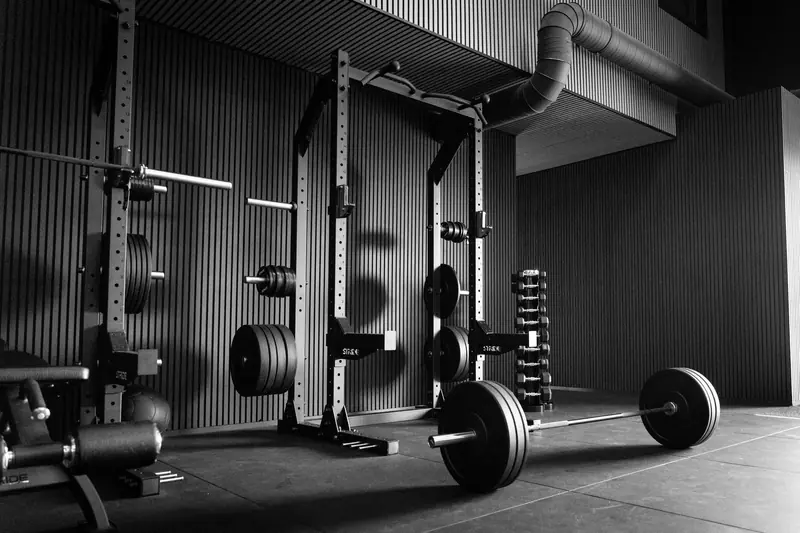
Buying guide
Best Squat Racks for Small Spaces and Low Ceilings
Folding and compact racks, with height, folded depth and mounting needs.
-
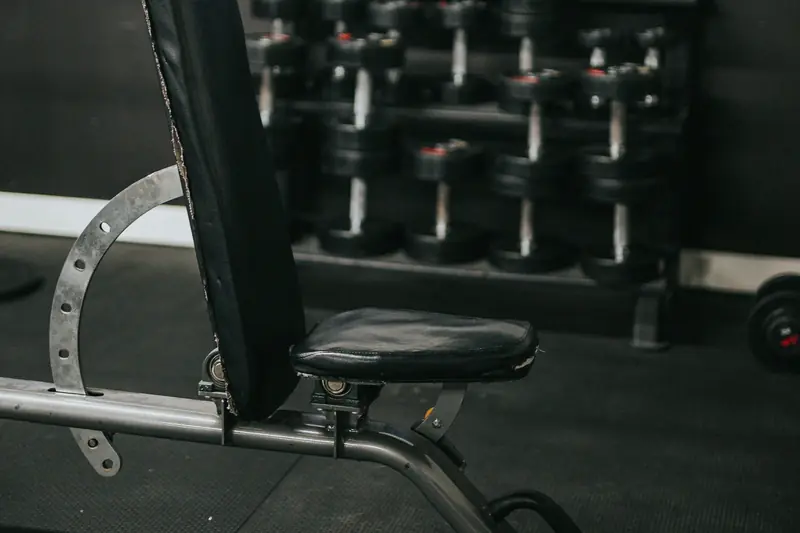
Buying guide
Best Weight Benches for Home Gyms
Flat or adjustable, capacity, positions and storage, side by side.
-

Buying guide
Best Barbells for Home Gyms
Shaft, knurling, tensile strength, sleeves and coating, side by side.
-
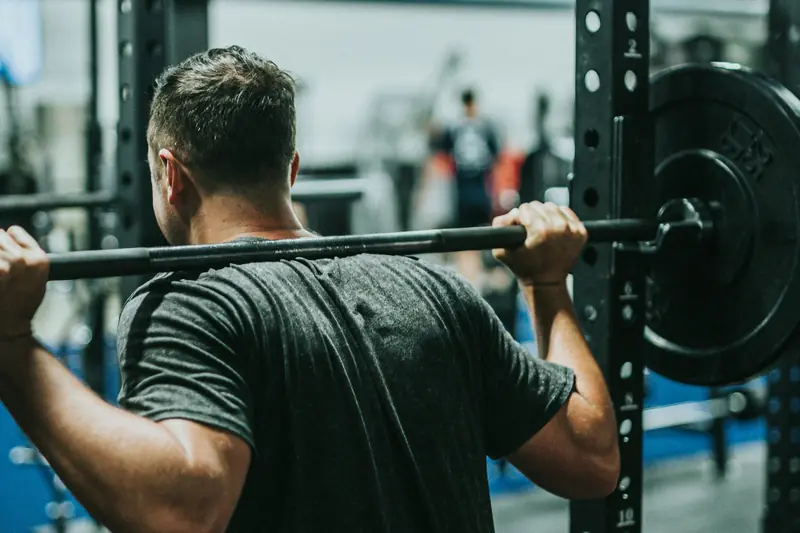
Comparison
Power Rack vs Squat Rack: Which Is Right for Your Home Gym?
A four-post cage or two-post stands: structure, safeties, footprint and fit.
-
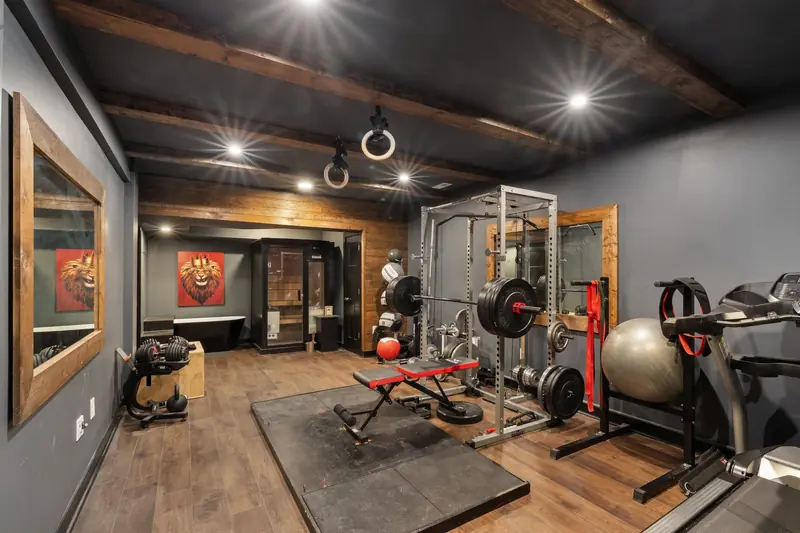
Guide
How to Build a Home Gym: Space, Budget and First Buys
Space, clearance, strength gear, cardio, flooring and safety, in order.
-
Buying guide
Best Home Gym Flooring
Rubber tiles, rolls, stall mats and foam, for concrete, carpet and garages.


Get the Home Gym Starter Checklist
A printable 8-point checklist built on CDC and ACSM guidance and treadmill manuals. Free, and sized to pin up next to your equipment.