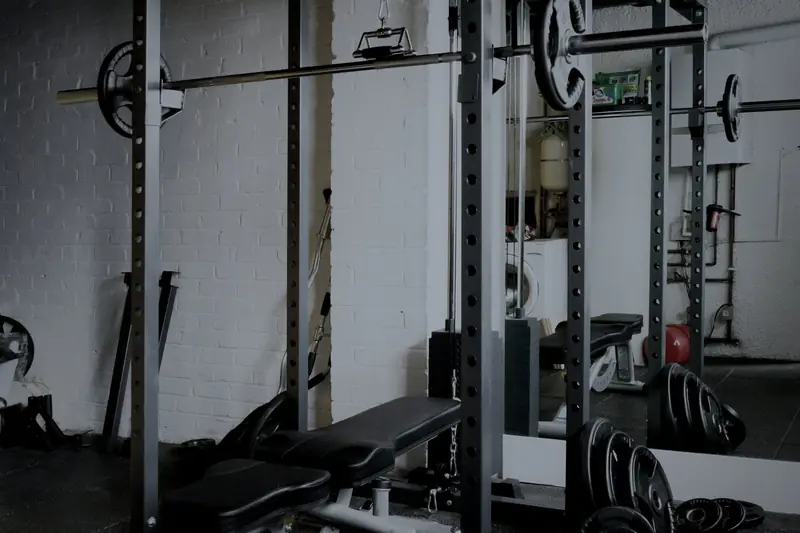

Power Rack vs Squat Rack: Which Is Right for Your Home Gym?
Both racks let you squat and press with a loaded bar, and both can be set up with safeties. The difference is how much structure surrounds you, how much floor and height they need, and what you can bolt on. Which one fits depends on your room more than on your lifting.
Power rack: the better choice if…
- You train alone and want the bar caught on all sides.
- You have the ceiling height and floor space for a four-post cage.
- You want pull-up bars, cable add-ons or storage on the same frame.
Squat rack: the better choice if…
- Floor space or ceiling height is tight, or you share the room.
- You want a rack that folds or mounts to the wall.
- Your lifting is mostly squats and presses and you do not need a full cage.
Jump to section
At a glance
| Point | Power rack | Squat rack |
|---|---|---|
| Structure | Four-post cage around the lifter | Two-post stands, some wall-mounted |
| Safety options | Safeties or straps inside the cage | Safeties or arms; check the model |
| Footprint and ceiling height | Larger footprint and height | Smaller, with folding options |
| Attachments | Pull-up bars and cable add-ons common | Fewer add-ons; varies by model |
| Price | Varies by listing; check current prices on Amazon | Varies by listing; check current prices on Amazon |
| Who each suits | Lifters with room for a cage | Lifters short on space or height |
Structure
A power rack is a four-post cage: you stand inside it, with posts at each corner and the bar resting on hooks at the front. A squat rack uses two-post stands, and the bar rests on hooks at the front only. Fold-away squat racks mount to the wall. The cage gives more points to attach safeties and add-ons, and the stands leave the sides and back open, which is easier to get in and out of.
Safety options
Both types can be set up to catch a failed lift. Whichever you choose, set the safeties just below the lowest point of each lift, so the bar lands on them if a rep fails. A cage supports safeties on both sides within the frame. With stands, check how the safeties attach and what the maker's instructions say about training alone. Our power rack guide lists safety type in the spec table.
Footprint and ceiling height
Measure the rack height and add room for pull-ups and overhead presses. A power rack is the bigger piece, so it asks more of your ceiling and floor. Squat racks, and fold-away ones in particular, give the most back to a small room. If you have a low ceiling or want to share the space, look at the small-space squat racks first. Fold-away racks mount to the wall, and studs are normally 16 or 24 in apart (Zircon manual), so check the spacing the rack's maker requires.
Attachments
Power racks are the usual choice for pull-up bars, cable and pulley add-ons, dip bars and plate storage, since the cage gives many mounting points. Squat racks take fewer add-ons, and what they take depends on the model. Check the upright size and hole spacing in our spec tables before you assume an attachment will fit.
Price
Prices change often and vary by seller. Check the current price on Amazon: the price you see there at purchase is the one that applies. Compare the capacity, safeties and height alongside the price, since a cheaper rack that lacks the safeties you want is not a bargain.
Who each suits
A power rack suits lifters with a dedicated room or garage who want a place for every barbell lift and add-on. A squat rack suits people in apartments, shared spaces or rooms with low ceilings. Either way, strength training should cover all major muscle groups on at least 2 days a week (CDC), and a weight bench rounds out the setup.
Which should you buy?
If you have the ceiling height and floor space and want one frame to hold everything, buy a power rack. If your room is small, shared or low, buy a squat rack made for small spaces. Either one works with a weight bench.
Alternatives
Not ready for a barbell yet? Adjustable dumbbells give you a full strength routine with no rack at all.
FAQ
Can I train alone on a squat rack?
Yes, if the safeties are set just below the lowest point of each lift. Follow the maker's instructions for your rack.
Do I have to bolt a rack down?
Follow the maker's anchoring instructions for your model.
Which one is better for a low ceiling?
Choose the rack whose height leaves room under your lowest ceiling point. Measure first, and leave space for the bar and your lifts.
Related
-
Buying guide
Best Power Racks for Home Gyms
Height, footprint, safeties and capacity for a rack that fits your room.
-
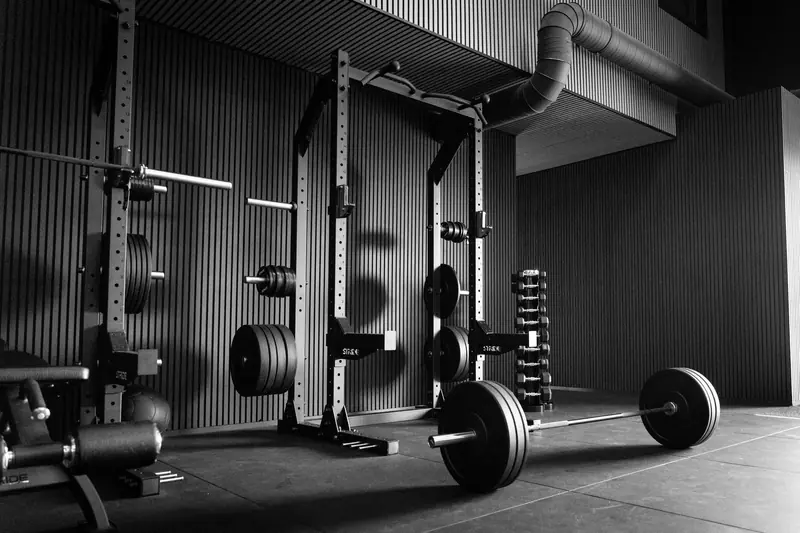
Buying guide
Best Squat Racks for Small Spaces and Low Ceilings
Folding and compact racks, with height, folded depth and mounting needs.
-
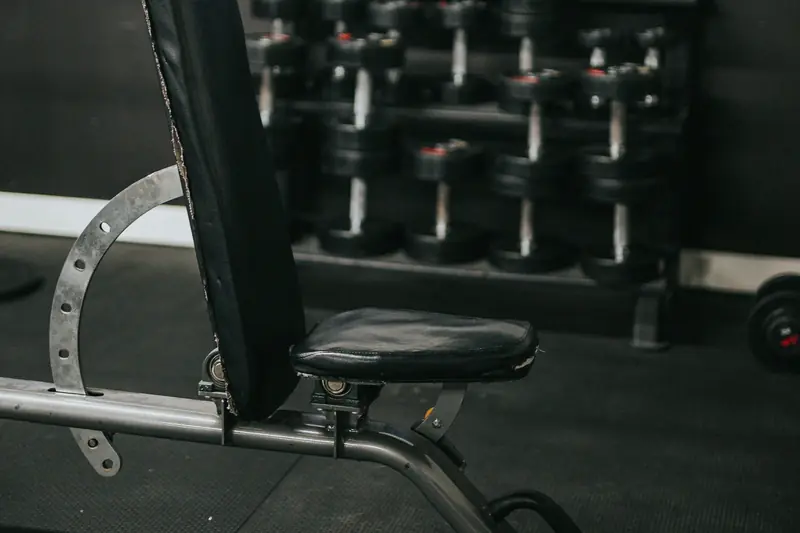
Buying guide
Best Weight Benches for Home Gyms
Flat or adjustable, capacity, positions and storage, side by side.
-

Buying guide
Best Barbells for Home Gyms
Shaft, knurling, tensile strength, sleeves and coating, side by side.
-
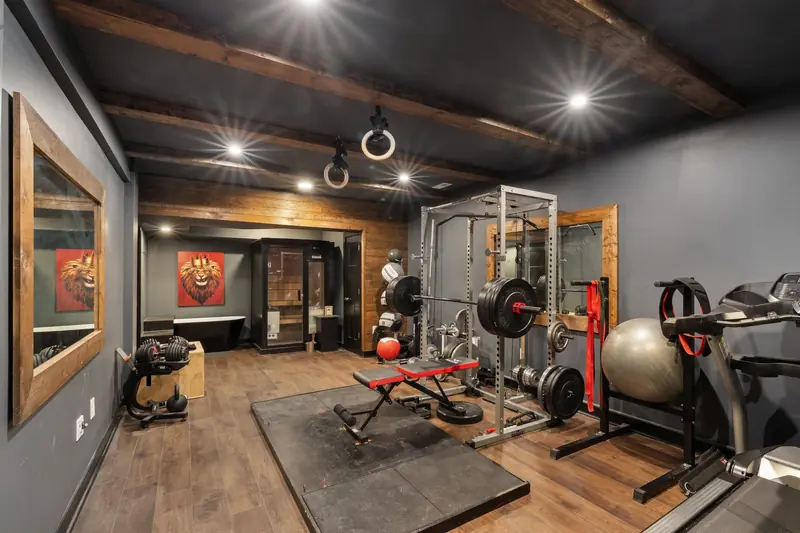
Guide
How to Build a Home Gym: Space, Budget and First Buys
Space, clearance, strength gear, cardio, flooring and safety, in order.
Get the Home Gym Starter Checklist
A printable 8-point checklist built on CDC and ACSM guidance and treadmill manuals. Free, and sized to pin up next to your equipment.