
Best Adjustable Dumbbells for Home Gyms
Adjustable dumbbells swap a rack of fixed pairs for one compact set that changes weight in seconds, which is why they suit spare rooms and apartments. The decisions that matter are the weight range and the steps between settings, how the adjustment works, and how much floor the set takes. This page is for lifters building a first home gym or replacing a cluttered one.
Jump to section
What we look for
Weight range and increments
the range sets how long the set lasts, and small steps make progress easier.
Adjustment mechanism and speed
a quick, secure mechanism keeps rests short and the weight locked while you lift.
Handle length and grip
the handle has to fit your hands and the exercises you plan to do.
Durability and drop guidance
moving parts and plastic housings wear, so the warranty and the maker's drop rules matter.
Footprint and tray
an adjustable set only saves space if its tray and stand fit your room.
Price per pound
dividing the listed price by the weight range puts different sets on one scale.
How to choose the right adjustable dumbbell set
Adjustable sets look alike in photos. These six specs separate them. If you are new to lifting, read strength training for beginners first, then see how the dumbbells fit with a weight bench.
Weight range and increments
Check the range per dumbbell and the increment in the spec table. A set that starts light enough for your first sessions and tops out above where you expect to be in a year saves a second purchase. Small jumps between settings let you add load gradually, which fits the progression advice in our strength training for beginners guide. Larger jumps are fine if you are already strong and only need heavy options.
Adjustment mechanism and speed
Dial systems change weight by turning a selector, pin systems by moving a pin, and spin-lock handles by threading collars and plates by hand. Compare how the listing describes each mechanism and how many steps a weight change takes. Read how the maker describes the locking, and check whether it explains what keeps the weight attached during a set.
Handle length and grip
Compare handle length on the spec table against your hand size. A short handle feels cramped for two-handed moves, and a slick finish changes how secure your grip feels. Check the length at maximum weight as well: the dumbbell grows as plates are added, and that decides whether it clears your bench or your thighs on certain exercises.
Durability and drop guidance
Read the manual for what the maker says about dropping the dumbbells or setting them down hard. Also compare warranty terms in the table. A short warranty on a product with a moving mechanism is worth weighing against the price.
Footprint and tray
Look at the tray size and whether it is included. A set without a tray needs a place to rest the unused plates, and that eats floor space again. Measure the spot where it will live, including the room to stand over it and lift. Our guide on how to build a home gym shows how to plan the whole room.
Price per pound
Take the current price on Amazon and divide it by the top weight per dumbbell for a rough comparison. A lower cost per pound helps only if the range matches how you train. A cheap set that stops short of your needs costs more in the end, and a very wide range is wasted if you will never use the top end.
Tips for using your adjustable dumbbell set
- Pair the set with a weight bench if you want to press, row and do incline work.
- Put a mat or gym flooring under the tray so the floor and the equipment are both protected.
- Follow the loading advice in our beginner strength guide rather than starting at the top of the range.
FAQ
How heavy should I start?
Pick a load you can lift for 8 to 12 repetitions. ACSM advises beginners to train this way and calls it an 8 to 12 repetition maximum (ACSM via PubMed).
How often should I lift?
Plan on at least 2 days a week, working all of the major muscle groups, as the CDC advises adults (CDC).
When do I go heavier?
ACSM says to add 2 to 10% load once you can complete one or two repetitions more than your target (ACSM via PubMed).
Can I drop them?
Check the manual for your model, because makers give their own drop guidance and the rules differ between designs.
Related
-

Buying guide
Best Kettlebells for Home Workouts
Material, handle, markings and base, for fixed and adjustable kettlebells.
-
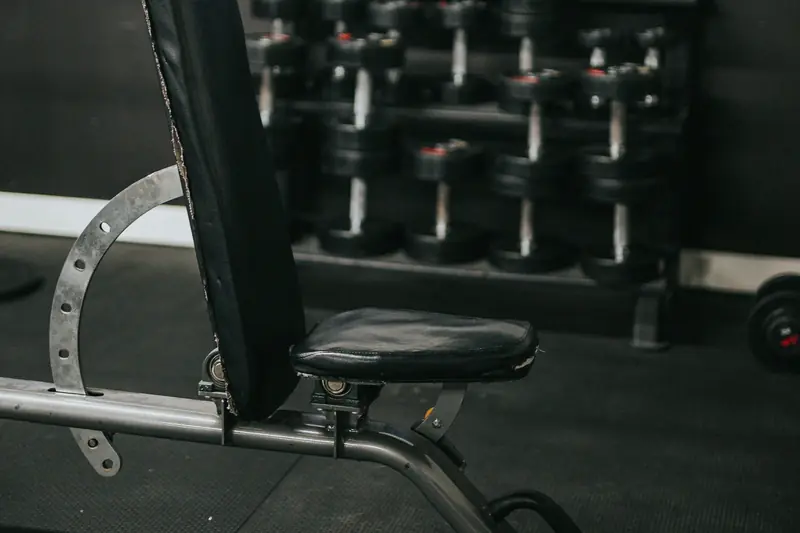
Buying guide
Best Weight Benches for Home Gyms
Flat or adjustable, capacity, positions and storage, side by side.
-

Buying guide
Best Barbells for Home Gyms
Shaft, knurling, tensile strength, sleeves and coating, side by side.
-
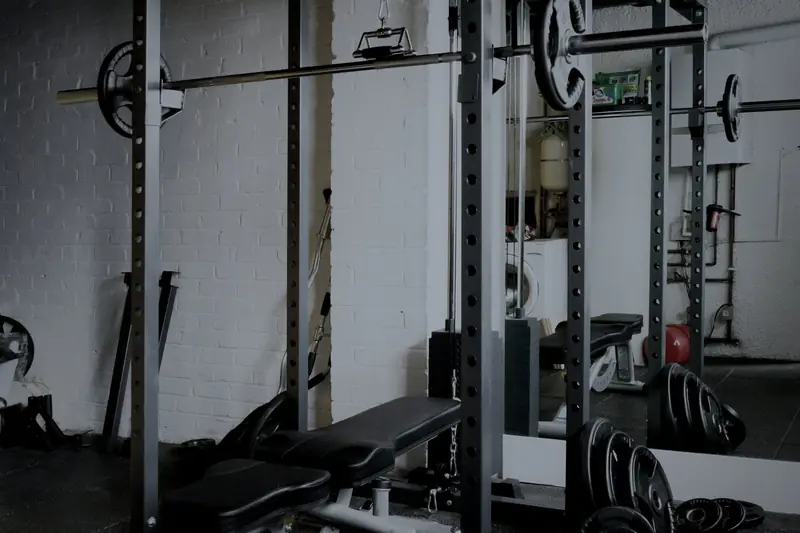
Buying guide
Best Power Racks for Home Gyms
Height, footprint, safeties and capacity for a rack that fits your room.
-
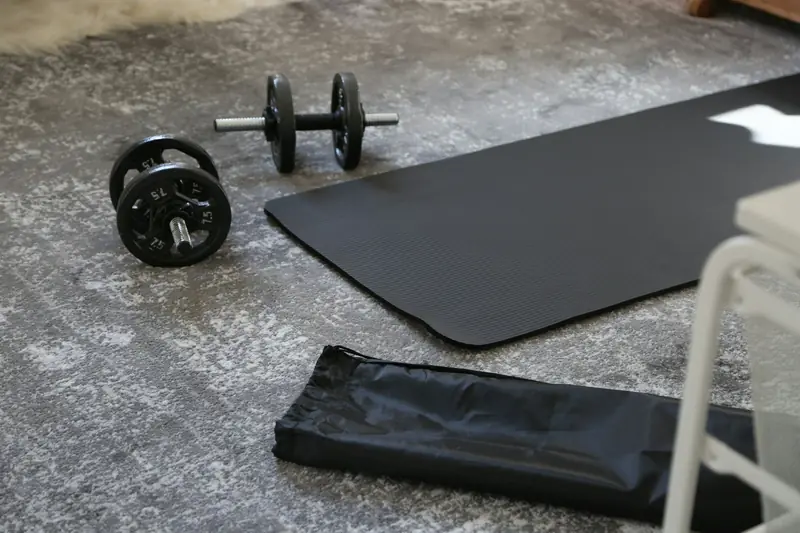
Guide
Strength Training for Beginners at Home
How often, how heavy, how to progress and what to buy first.
-
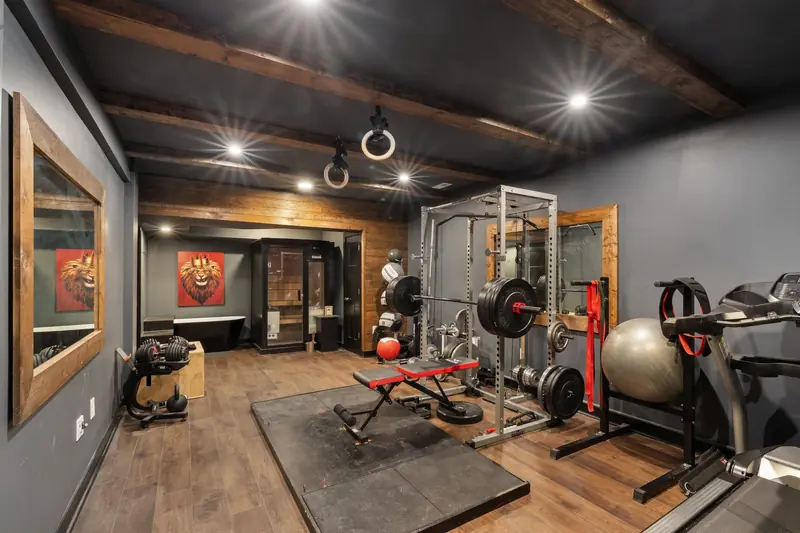
Guide
How to Build a Home Gym: Space, Budget and First Buys
Space, clearance, strength gear, cardio, flooring and safety, in order.
Get the Home Gym Starter Checklist
A printable 8-point checklist built on CDC and ACSM guidance and treadmill manuals. Free, and sized to pin up next to your equipment.